Meet Nacor Zuluaga: from studio apprentice to mastering engineer
Nacor arrived from Bogotá as a teenager with limited English and no ready-made place in the recording industry. He worked washing dishes while looking for a way into the studio world. The first break was not a glamorous session or a famous credit. It was permission to stand quietly in the room and learn.
How did Nacor get there?
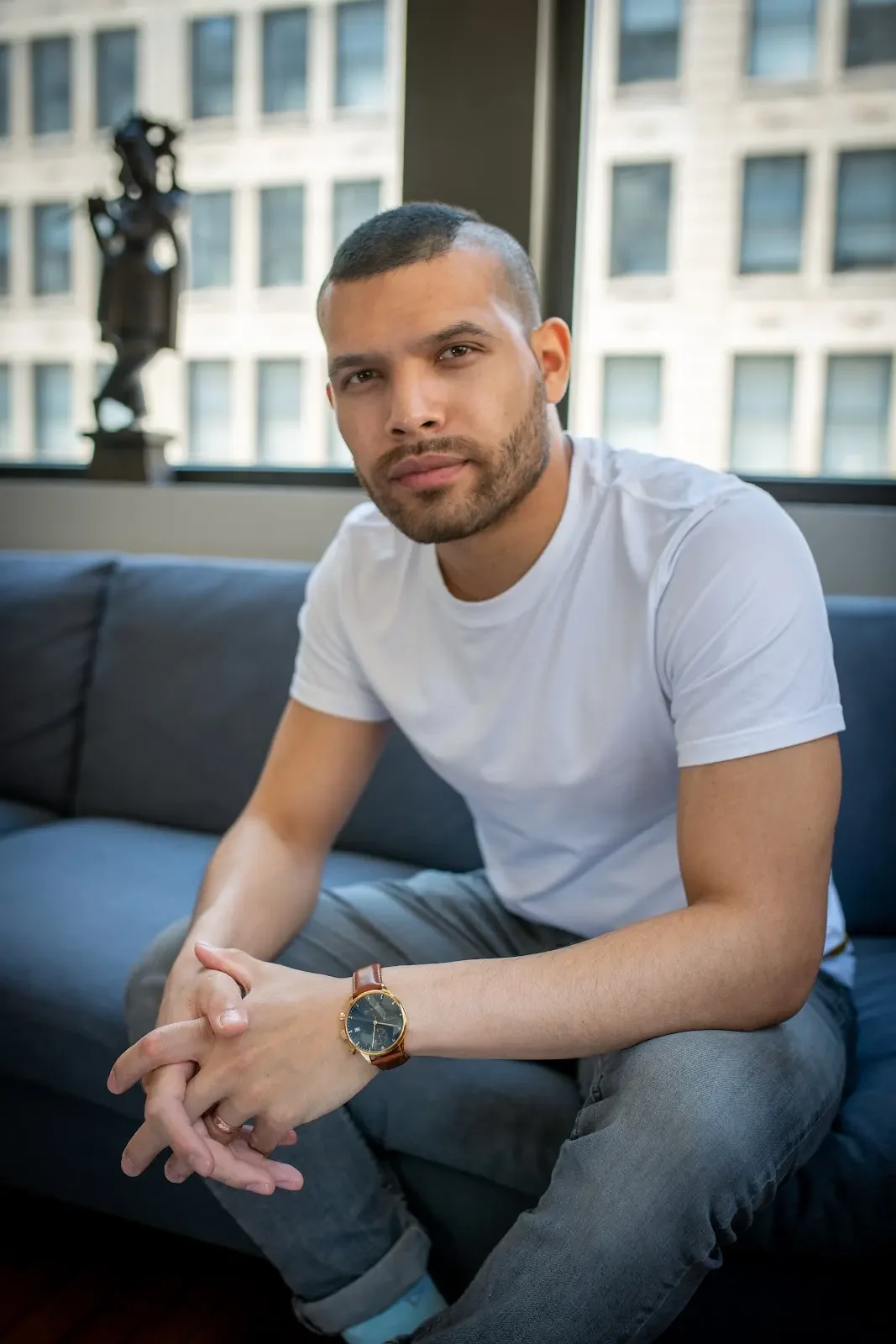
Nacor Zuluaga
At Engine Room Audio, Nacor began by shadowing sessions. He became an intern, then a mastering assistant. By 2015, he had moved into studio operations and was teaching audio engineering while continuing to work as an engineer.
Every step added responsibility. Shadowing taught him when to watch and when to ask. Assisting taught him that files, notes, backups, and timing are part of the sound. Operations taught him that a great session still needs the right room, the right people, and a schedule that holds together.
None of it makes a dramatic movie montage. It is how people learn to trust you with the next job.
What did Nacor learn inside Engine Room Audio?
Small jobs are still real jobs
If another engineer is waiting for the files, your part is important. Doing the unglamorous work properly is often how you earn more interesting work.
Your ears need discipline
Mastering is full of small decisions with large consequences. Nacor learned to listen carefully, check how a record translates, and deliver work consistently.
The work is technical. The career is human.
Studios run on relationships as well as equipment. Clients return when the work sounds right and the process feels clear, calm, and professional.
Those habits eventually helped Nacor build an independent career. His work includes mixing and mastering for artists, commercial sound, and mastering-side work on Waves (Robin Schulz Remix), a recording that received a 2015 Grammy nomination for remixer Robin Schulz.
Learn inside the studio
His formal path at Engine Room Audio started with an internship, years before New York Audio Institute existed. Today, the Audio & Music Production program gives you much of the same exposure to how a working studio actually runs.
NYAI operates inside Engine Room Audio. You will be in the studio, watching how sessions are prepared, working with the equipment, and learning how recording, editing, mixing, and mastering are done.
You can also explore more careers in audio.
Then come visit us for a tour. See the rooms, meet the engineers, and tell us which part of the work you want to learn first.