Careers in Audio: What NYAI Prepares You For
A career in audio is possible, but it is not automatic.
Music, recording, production, live sound, broadcast, and media work all reward skill, taste, persistence, and relationships. No school can promise you a job. What a good school can do is help you build the practical foundation, studio confidence, and professional habits you need to start moving in the right direction.
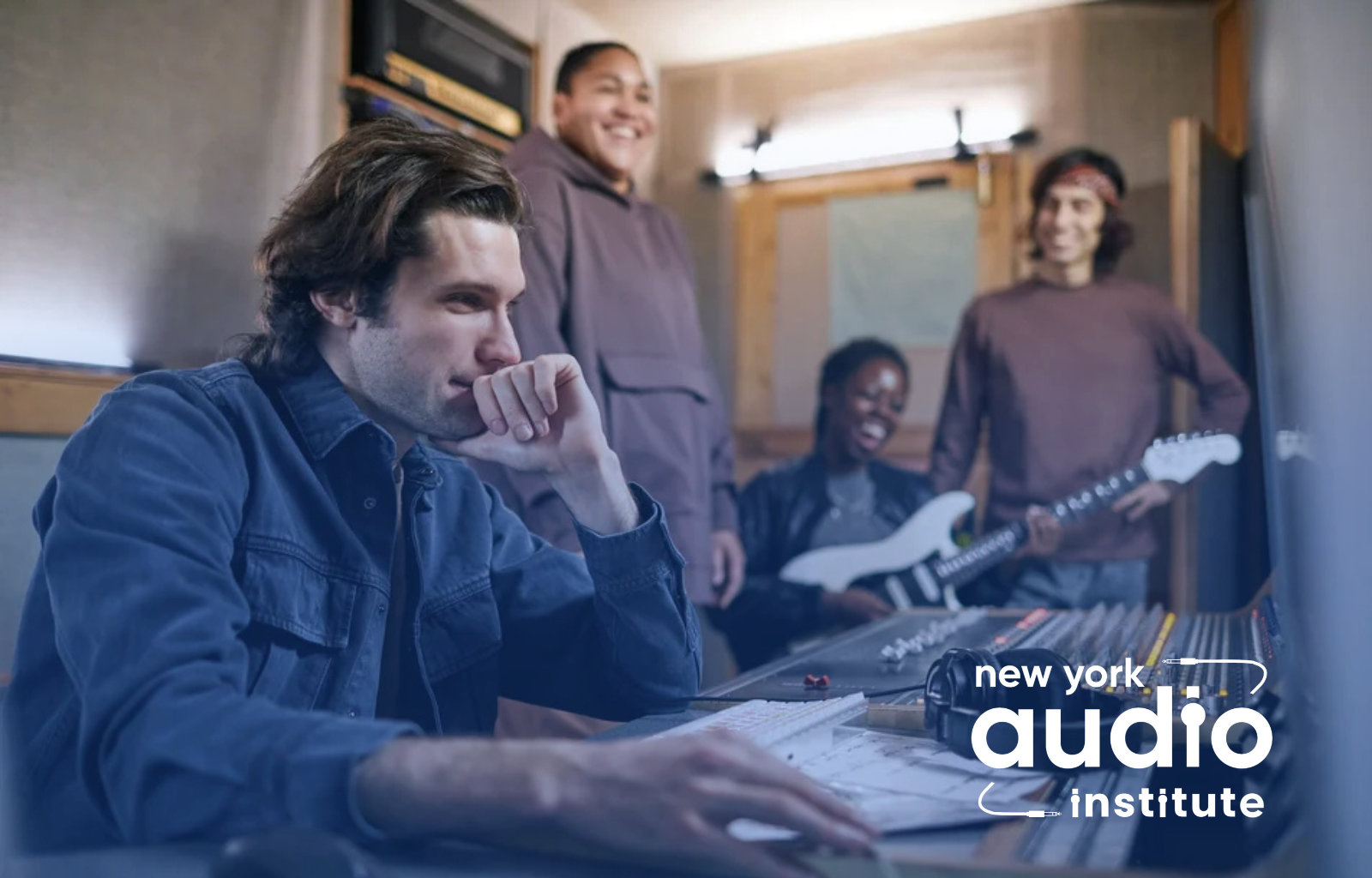
At New York Audio Institute, students train inside a working recording studio, not a traditional classroom. You learn by doing: recording, mixing, signal flow, Pro Tools, Logic, Ableton, production, beat making, music theory, and the day-to-day expectations of real studio work.
The honest version
Audio is a competitive field. Some people build full-time careers. Some freelance. Some combine music, production, teaching, live sound, broadcast, podcasting, or content work. Some use the skills in ways they did not expect when they started.
That is why we focus on real preparation, not empty promises.
According to the U.S. Bureau of Labor Statistics, broadcast, sound, and video technicians earned a median annual wage of $56,600 in May 2024. Sound engineering technicians were higher, with a median annual wage of $66,430. The field is projected to grow slowly, but BLS still projects about 11,100 openings per year for broadcast, sound, and video technicians over the next decade.
That matches what we see in the real world: there are opportunities, but they go to people who keep learning, show up prepared, and know how to work with others.
Career paths our students may pursue
NYAI can help prepare students for paths such as:
Recording engineer
Mixing engineer
Assistant engineer
Music producer
Beat maker
Broadcast engineer
Live sound technician
Podcast or content audio technician
Post-production audio assistant
Studio manager or studio operations support
Music business and artist support roles
DJ and performance-related work
Not every path looks the same. Some are technical. Some are creative. Some are business-focused. Many combine all three.
Why studio training matters
You can learn a lot online. But audio is physical, social, and practical.
You need to understand how sound behaves in a room. You need to know how to set up microphones, solve signal-flow problems, work under pressure, communicate with artists, and make decisions when the session is moving.
At NYAI, students train at Engine Room Audio, a professional recording studio in New York City. That means you are learning on real equipment, in real rooms, around people who work in the field.
This matters because audio careers are not built only on information. They are built on confidence, repetition, judgment, and relationships.
What success can look like
Success in audio is not only one thing.
Some graduates work on major music projects. Some build steady careers in broadcast or technical audio. Some freelance across recording, mixing, live sound, and content production. Some use their training to support their own music, artists, or creative business.
We believe students should see both kinds of stories: the big credits and the quieter, real careers. A gold or platinum record is exciting. A steady living in audio is also worth respecting.
One studio. Three very different careers.
A live show with no pause button. An accomplished musician hearing his work differently. A teenager whose first break was permission to stand quietly in the back of the room.
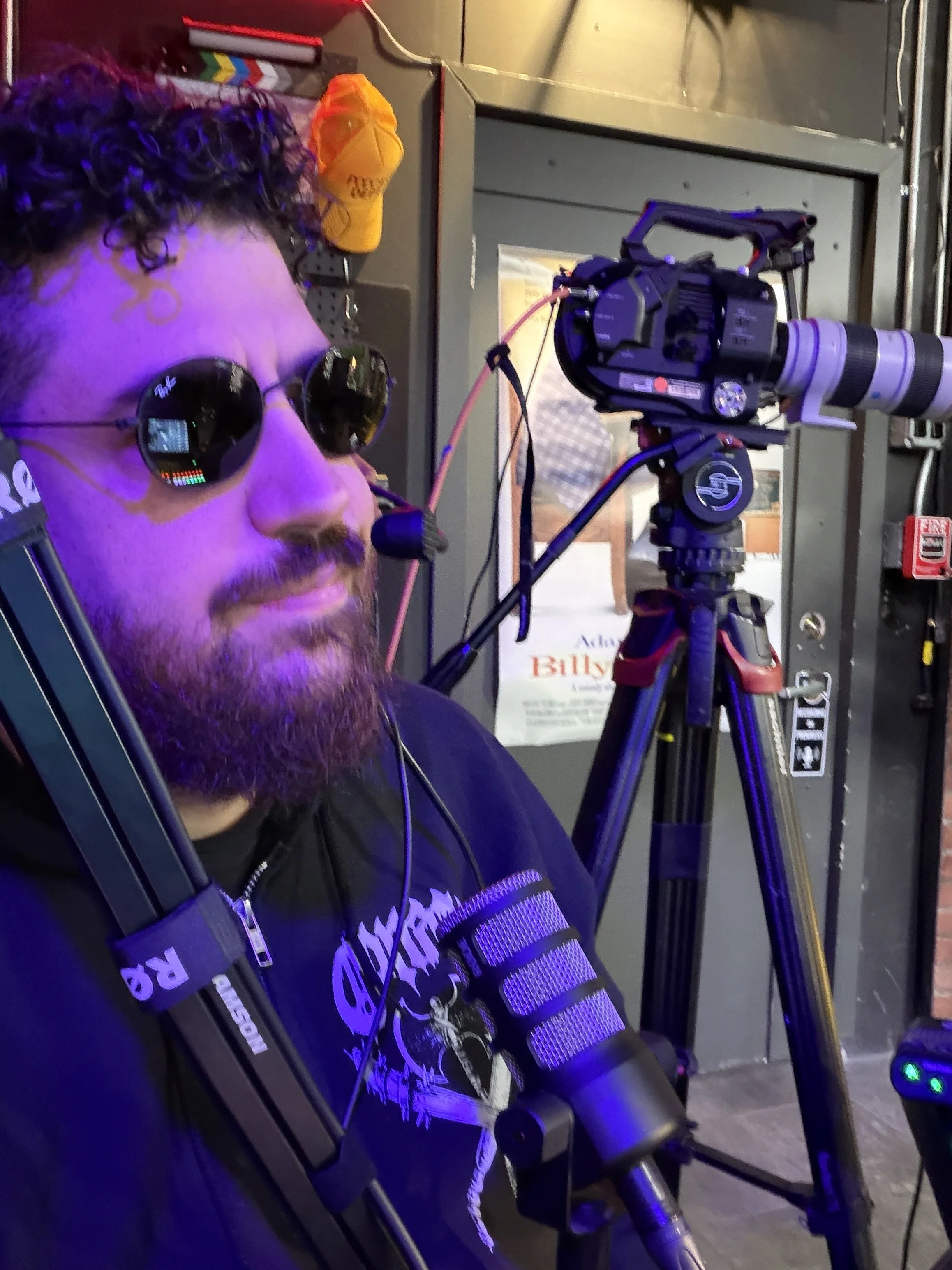
Frank Lenz: when the show is already live
A microphone is too loud. A remote guest is dropping out. And the show is already live. Frank has to catch all three before the audience notices. What did he learn at NYAI before ending up behind live broadcasts?
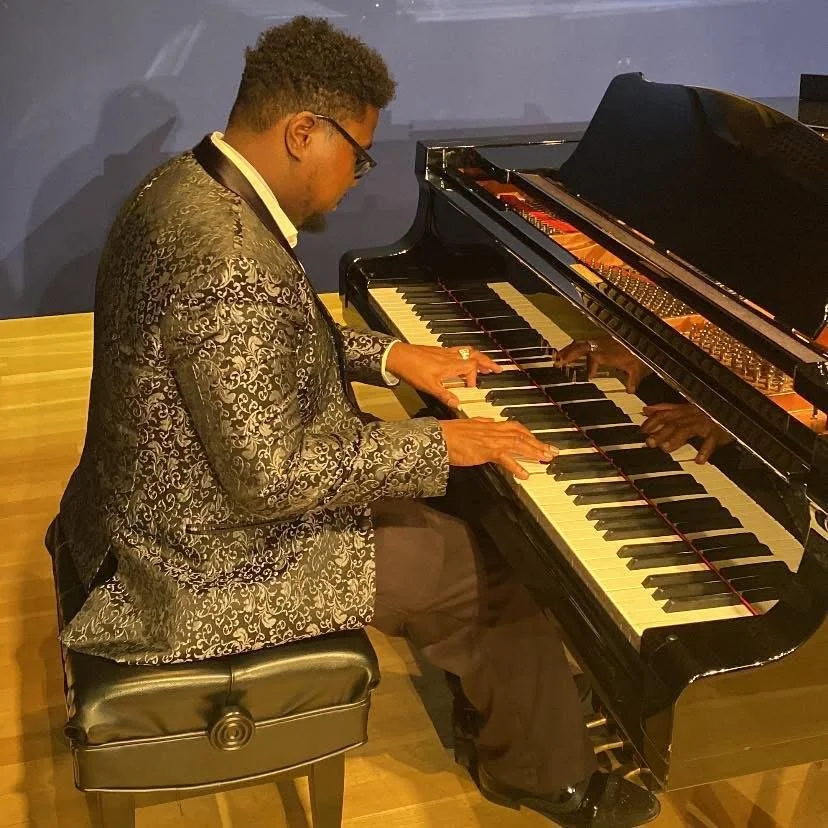
Basil T. Morgan: engineering transition
Basil was already an accomplished musician when he sat down at the console. Then he learned to mike a full band, follow the signal through the studio, and listen from the engineer's chair. What did that do to the way he performed, taught, and produced?
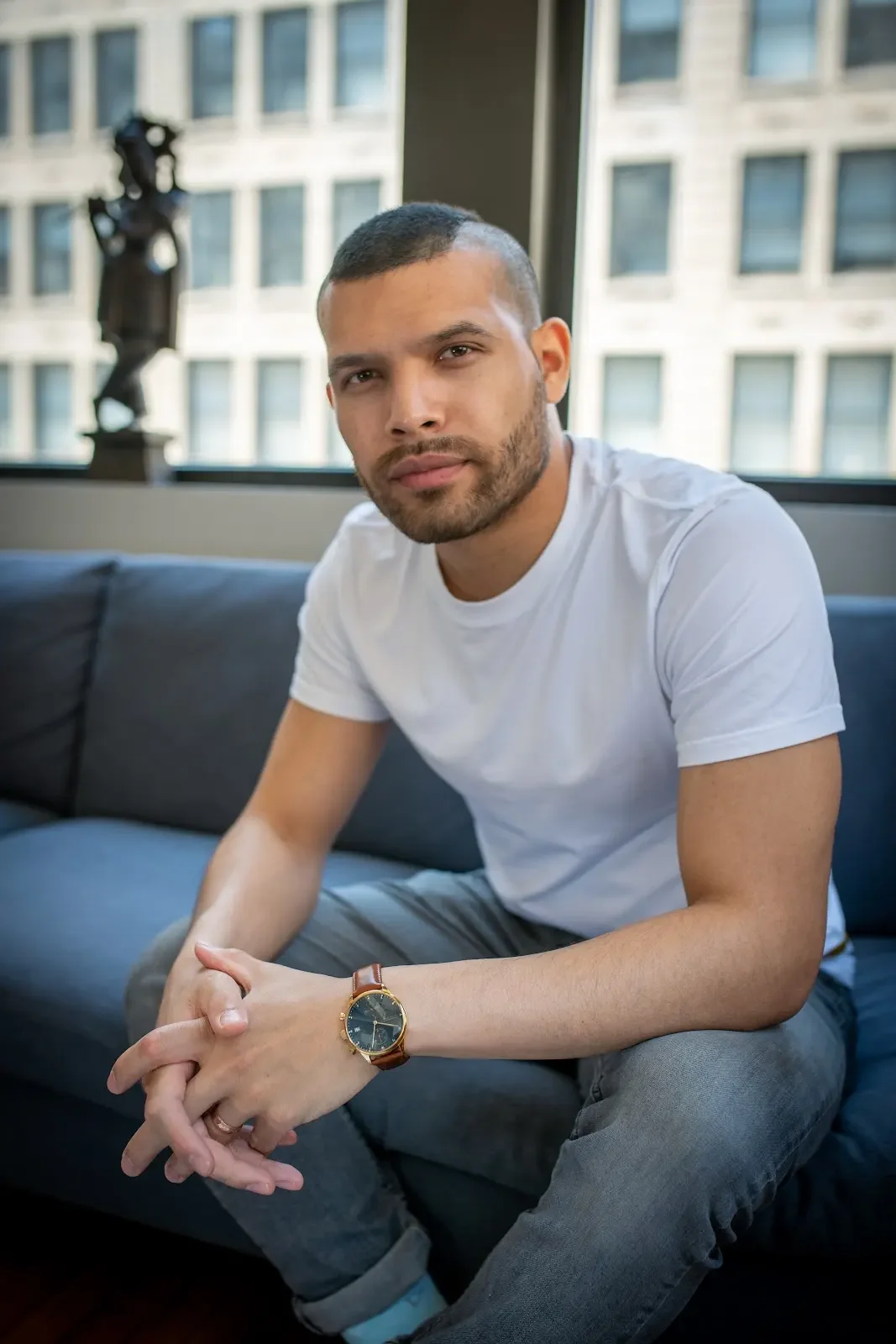
Nacor Zuluaga: permission to watch
Nacor arrived from Bogotá at 17, worked washing dishes, and searched for a way into a recording studio. His first break? Permission to stand quietly inside Engine Room Audio and learn. The next job was small. It did not stay small.
What we look for in students
Talent helps, but it is not enough.
The students who get the most from NYAI tend to be curious, consistent, open to feedback, and willing to do the work when no one is watching. They ask questions. They practice. They show up. They treat sessions professionally.
That mindset matters because the industry is built on trust. People hire and recommend people they believe can handle the room.
Is audio school worth it?
It can be, if the program gives you what you cannot easily get alone: hands-on time, structure, feedback, studio experience, and access to working professionals.
NYAI is designed for students who want practical training in a real studio environment. If your goal is to understand how professional audio work actually happens, the best next step is to visit the studio, talk through your goals, and see whether the program fits where you want to go.